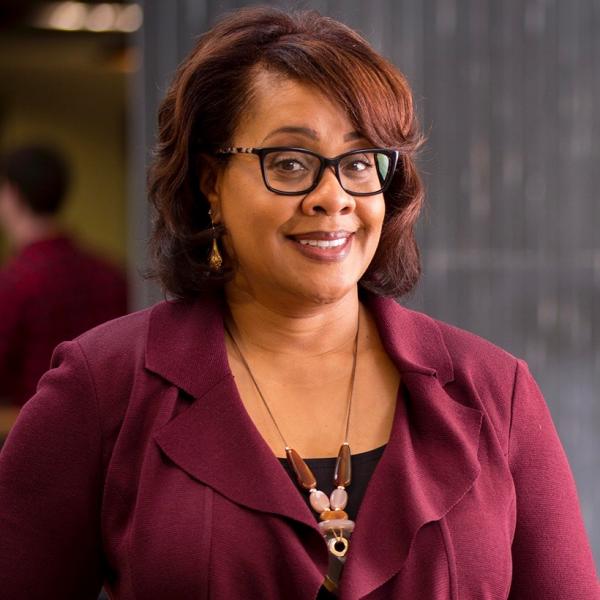
Imagine being alone. Feeling like you have no on to talk to. According to Chadron State College’s Behavior Intervention Team, 45 percent of college students have felt hopeless. Dr. Cynthia Taylor encounters this hopelessness every day. And she’s here to help.
Studies show that 30 percent of students have problems with their school work due to a mental health issue. These issues can range from depression to anxiety, from ADHD to self-esteem issues, to just feeling like no one cares. Dr. Taylor, a Mental Health Therapist at Olivet Nazarene University in Bourbonnais, Ill., specializes in depression, anxiety, self-esteem, grief and adjustment issues.
“This is my calling,” she said when asked about her motivation for such a rigorous field. “To witness the changes that take place in my clients’ lives is what gives me joy!”
“Ever since she was a little girl, she was always so humble and helpful to other kids. She always wanted to make them feel like they were loved and enough.” Dr. Limmie Townsend said when asked about her long-time friendship with Dr. Taylor. “She’s always had a delightful personality and a loving spirit.”

Dr. Taylor grew up in Chicago Ill., going to church every Sunday and during the week. As the pastor’s daughter, she saw the humanity in others, the brokenness and vulnerability. Now the First Lady of her late-father’s church, Greater Mount Pleasant Missionary Baptist Church, she has a helping hand in the sanctuary and in the community. Dr. Taylor is open about her relationship with God and how he provides peace in such a demanding field of work. “I know I can carry my concerns, thoughts and requests to the Lord…he has not failed me yet! Prayer is something that I do every day and all day!”
A member of the American Association of Christian Counselors and the Illinois Coalition Against Sexual Assault, Dr. Taylor fights for the wellness of residences of the Chicagoland area. Although she caters to people of all ethnicities, to lessen the stigma and emphasize the importance of mental health in the African American communities is a major factor in her motivation.
According to Mental Health America, adult black or African Americans are 20 percent more likely to report serious psychological distress than adult whites. “Without mental health we cannot be healthy. Any part of the body, including the brain, can get sick.” Dr. Taylor is passionate about helping her clients and students achieved health from a holistic perspective.
When asked about the effects of mental illnesses on the social and academic performances of students, Dr. Taylor said, “Mental health issues have consistently increased over time in college students therefore causing challenges and stressors that impacts them socially and academically. The first year of college, students are faced with a rollercoaster of emotional changes that are often correlated to the stress caused by transitioning to college life.” However, Dr. Taylor suggests that receiving treatment; counseling and if necessary medication, can assist with a better college experience and mental health outcome.
Studies show that a major part of wellness as a whole is self-care. This may include acts such as painting, keeping a journal, praising yourself when needed, even just taking a hot bath. When asked about her methods of self-care after a stressful day, Dr. Taylor replied, “Date nights with my husband, family time and vacationing, and just plain old “me” time by going to the spa, for manicures and pedicures, various types of massages to lessen the likelihood of burnout and relaxing at home is how I stay grounded.”
Mental health is an aspect of overall health that is severely under-estimated. According to Dr. Taylor and many other mental health therapists and physicians, without proper treatment, mental health conditions can worsen and make it hard to live and function from day to day. However, there is hope, and people like Dr. Taylor are here to help you live whole and achieve the most in your life.

 com210news