by Taylor McDaniel
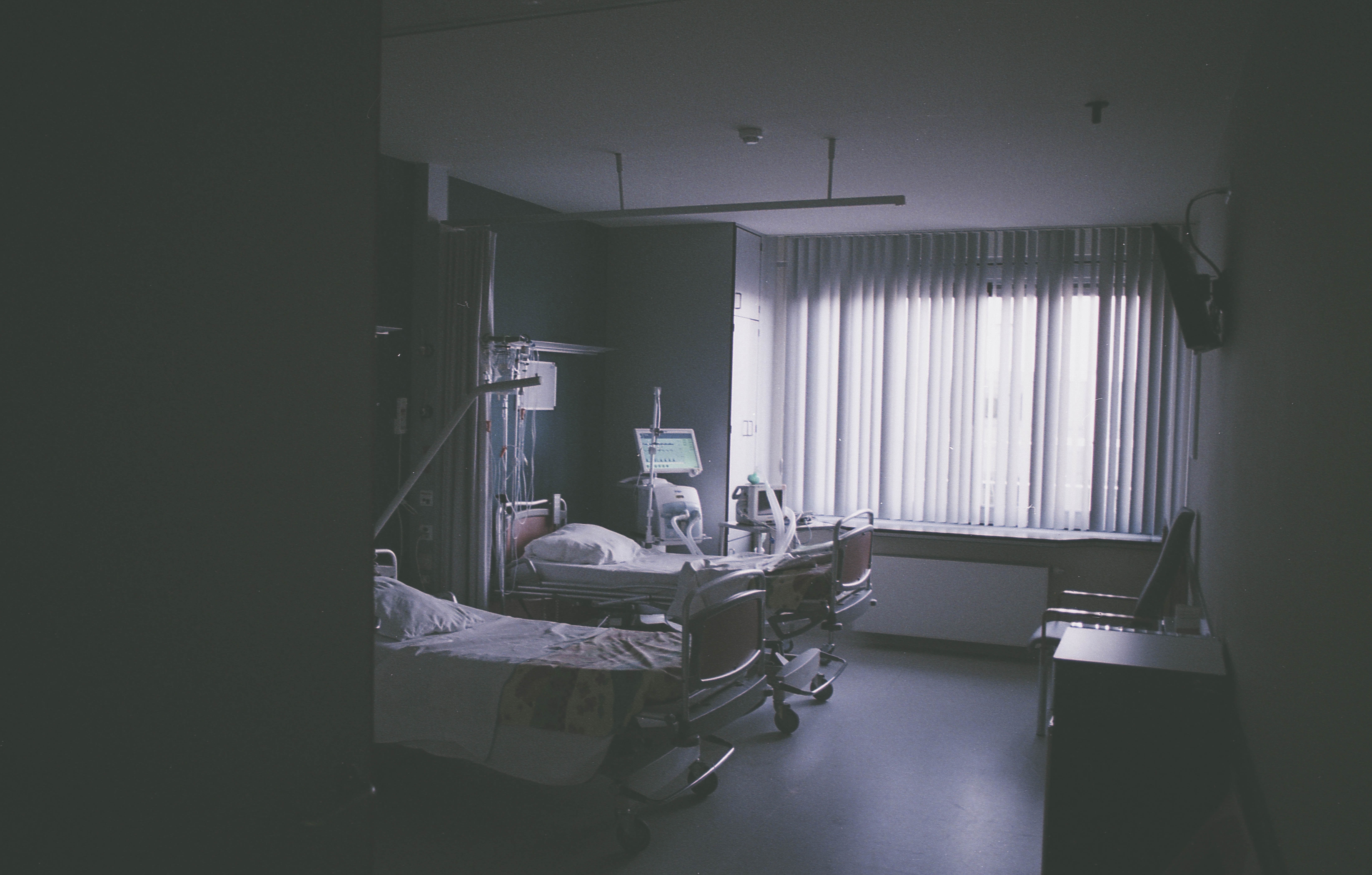
What would you do if the man you pulled off of life support wasn’t actually your brother? How would you react if the man you were planning a funeral for was actually a complete stranger?
This is the nightmare scenario currently playing out for one woman in New York City. It was July of last year when Shirell Powell, 48, received a call from doctors at St. Barnabas Hospital in the Bronx. Doctors told Powell that her brother had been brought into the emergency room after a drug overdose and was in a coma. When Powell arrived at the hospital, she could hardly recognize her brother. “He had tubes in his mouth, a neck brace, he was so swollen,” she said in an interview with The Post. “[But] he resembled my brother.”
This was not the truth, however, as Powell found out when she received a phone call from the New York Medical Examiner’s Office. The office had taken over the case to do an autopsy on her brother’s body, only to discover that Powell’s brother, Frederick Williams, was alive and well, incarcerated on Rikers Island for assault. The man who had died at St. Barnabas Hospital was actually Freddy Clarence Williams, a man with a similar name to Powell’s brother.
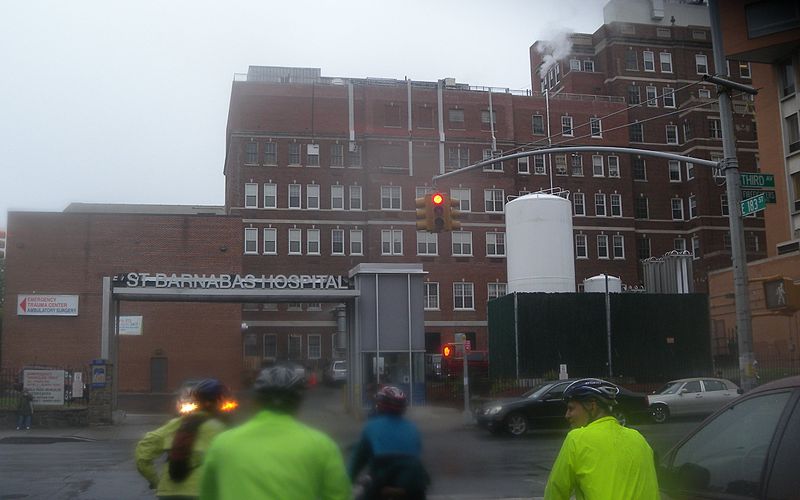
Now Powell is suing St. Barnabas for “severe emotional harm and injuries” caused by the misidentification. These misidentifications can happen for a variety of reasons, but are usually the result of a person being found alone, by a stranger, in a location that is not a home or vehicle. In most cases, the patient can easily be identified by personal belongings or IDs kept on their persons, but this is not always the case.
“Things [can be] misplaced in an emergency. There is so much stuff that goes on to the floor, so much stuff that is all over the counters,” said Respiratory Therapist Malissa McDaniel, a practitioner with over twenty years of experience in the medical field. “When we have somebody come in the emergency, like a level one trauma, and we’re trying to save them, we are so focused on our advanced cardiac life support or our advanced pediatric, or advanced neonatal. We all have jobs [to do].”
In the case of Powell vs. St Barnabas Hospital, the misidentification error came from the two men’s similar names. It should be noted, however, that Freddy Clarence Williams had his social security card on him during his admittance to the hospital and it is unclear at the moment as to why that document was not used to identify him.
The court has yet to decide who is at fault for the misidentification, or whether Powell was the victim of malpractice on the part of the hospital. Whatever the outcome of this case may be, it certainly serves as a reminder that one should always keep some form of photo identification on them in case of emergency.
Do you think that hospitals should be held accountable for improper patient identifications and any trauma that stems from that failure? Let us know your opinion in the comment section down below. If you would like to know more about the Powell v. St. Barnabas Hospital case, check out this interview that Powell gave to the New York Post or read the lawsuit filed by Powell’s attorney against St. Barnabas. If you are interested in learning more about the problem of patient misidentification, check out these reports by the Emergency Care Research Institute and the World Health Organization about the subject.


 com210news